Leftshift
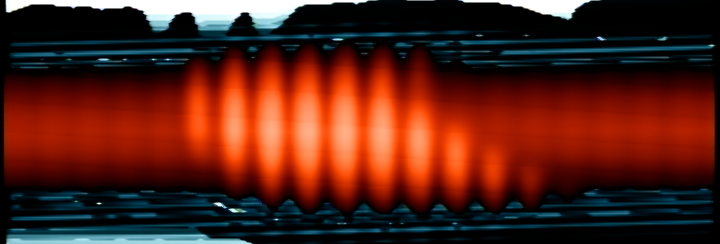
Left Shift is comprised of material from November 2024. Yes some of the patches look familiar. There was carry over of a patch from the previous year.

Left Shift is comprised of material from November 2024. Yes some of the patches look familiar. There was carry over of a patch from the previous year.
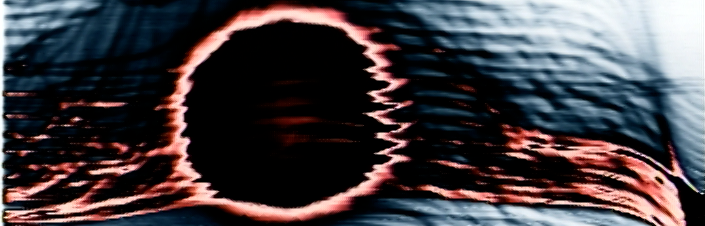
Redshift came from material recorded in January 2022. Here I had some fun moving between a composition with periodic waveforms and a Rutt Etra rendering of the same.
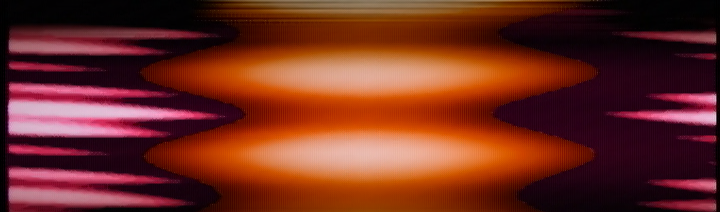
Smash is compiled from work created in December 2023. It's a three part composition. This time I edited much shorter segments.

Lumpy Banger comes from work recorded in two sessions in June and July of 1985. Lumpy Banger symbolically displays a range of emotion from joy and excitement though frustration and rage. It is meant to be playful and is a graphic rendering for the human condition.This is an absurdly stingy edit from sessions that had a good range of solid work. I had also created a contemporary video fetish object with the same name that used a 10 minute cut from this same material. After a time I preferred to show the longer edit for single channel presentations, when possible.
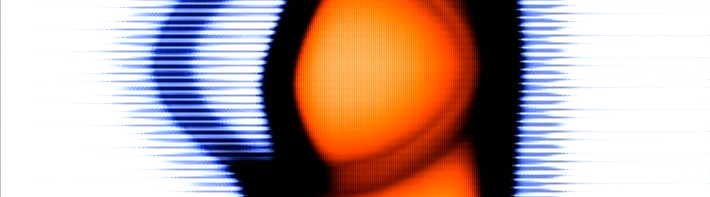
I have been sitting on work from the last half decade. This is from work recorded November 2021. It's pretty simple and just a few segments. As always it's realtime analog recordings using oscillators for image source.
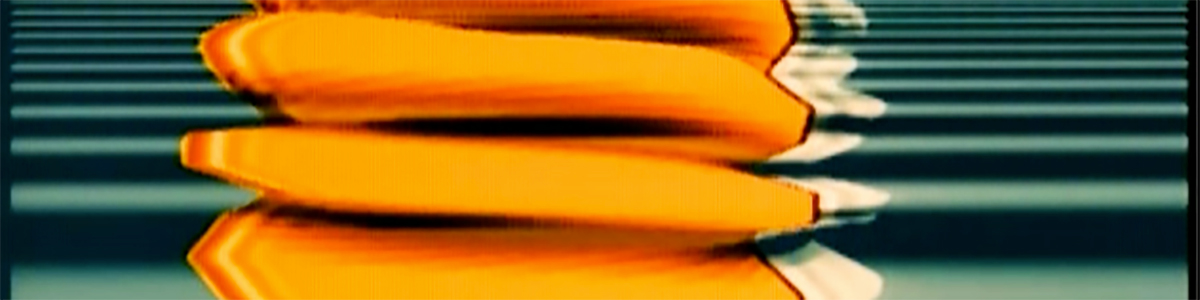
Wrapture was created in December 2021. I was showing a 15 minute version in installation settings and finally cut this 7:43 version. As usual image and sound are recorded simultaneously in real time, and except for the last section, the segments are presented in the order they were recorded. My Jones frame buffer was broken at this point, and I wanted to experiment with real time digital image processing so you see Modul8 used in the first and last section and the Signal Culture Frame Buffer used as one layer in the rest.

Video Haiku was a 3/4" tape compilation. It included work that also appeared in Lonesome Blues and Green River Blues. Video Haiku originally leaned heavily on the work from the September '82 session, now seen in Lonesome Blues; none of those segments are shown here. In creating this version. I defined Video Haiku as work that was created in the 3 ETC sessions from November '82 thru May '83.
This version contains:

Video with charcoal is a thread that I explored from 1980 probably through 1983. This cut shows a few of those experiments. A couple more are seen in Green River Blues. This grew out of sequencer work that was being done at the Experimental TV Center, by Ralph Hocking, and by others. I was also influenced by Ken Jacobs who, while I was at SUNY Binghamton, had us look at and explore his work that utilized Alfons Schilling's shutter experiments - all amazing work and you should get yourself to one of Jacob's performances if you have not seen this.

Green River Blues is the title of the first compilations of ETC work I created in 1981 - 82; it is also the title of the first piece in the series. At that point I was distributing compilation tapes, usually 20 to 30 minutes in length. The problem in creating digital versions now is that there were several compilations with the title Green River Blues, and all were different. The same goes for the next compilation called Video Haiku.

This post was copied in 2017 from and L2O posting made in 2015.
Tuesday night I attended a panel discussion at Hunter called "Barbara London and David Ross in conversation with Constance DeJong." This was in the context of the "The Experimental Television Center: A History, ETC..." show at the Hunter College Art Galleries in collaboration with the Rose Goldsen Archive of New Media Art Cornell Library - Sept 25 - Nov 21, 2015. The Hunter Art Gallery is at 205 Hudson Street in NYC. It’s a great show by the way.

